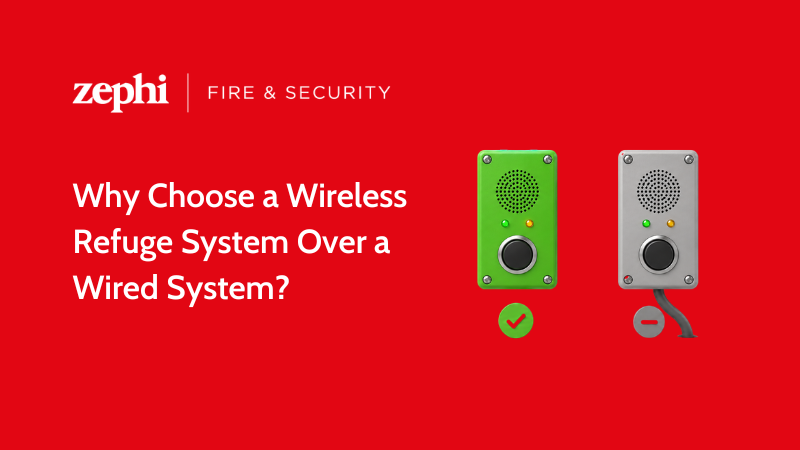
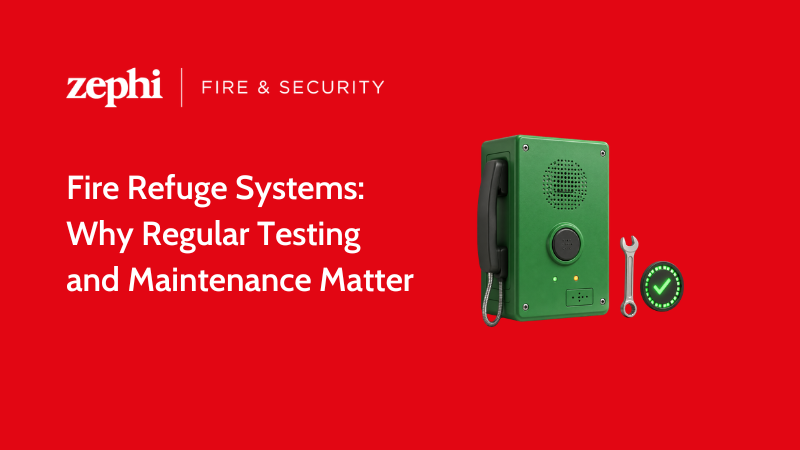
When fire strikes, evacuation is paramount. But what about those who can’t evacuate quickly or easily, like individuals with a disability? This is where fire safety refuge systems come in.
A fire safety refuge system provides designated, protected areas within your building. These aren’t permanent shelters, but temporary safe havens where individuals can await rescue by fire services, away from immediate danger. Typically located in protected staircases or fire-resisting compartments, these areas often include emergency communication systems (like intercoms) for contact with building management or emergency responders.
Implementing these systems isn’t just about compliance, it’s a moral obligation to ensure the safety and inclusivity of everyone on your premises.
Physical vs. Online: Managing Your Fire Safety Refuges
When it comes to managing fire safety refuge information, businesses often choose between traditional physical methods and modern online solutions.
Physical Fire Safety Refuge Management
This relies on tangible documents and manual processes.
Pros:
- Tangible and Immediate: Plans are on-site and readily available without technology.
- Less Reliance on Tech: No power or internet needed for basic access.
Cons:
- Maintenance Burden: Hard to update, store, and distribute; prone to becoming outdated.
- Vulnerability to Damage/Loss: Paperwork can be lost or damaged.
- Limited Accessibility: Only accessible on-site, no remote oversight.
Online Fire Safety Refuge Management
This leverages software and cloud platforms for management.
Pros:
- Centralised & Accessible: All data is in one secure, cloud-based location, accessible from anywhere.
- Real-time Updates: Instant changes and distribution of information.
- Enhanced Audit Trails: Clear, time-stamped records simplify compliance.
- Automated Reminders: Software can schedule maintenance and training.
Cons:
- Reliance on Technology: Requires internet and power; outages could hinder access.
- Initial Setup Cost: Can involve upfront investment in software and training.
- Data Security Concerns: Requires robust cybersecurity measures from the provider.
The most effective strategy for most businesses is often a hybrid model, using online platforms for efficient documentation, training, and communication. Physical platforms ensure refuge areas, signage, and robust intercom systems are always in place and regularly tested.
By blending the best of both worlds, you can create a more resilient and inclusive fire safety strategy, guaranteeing a safe “refuge” for everyone when it matters most.